
Archives: Resources
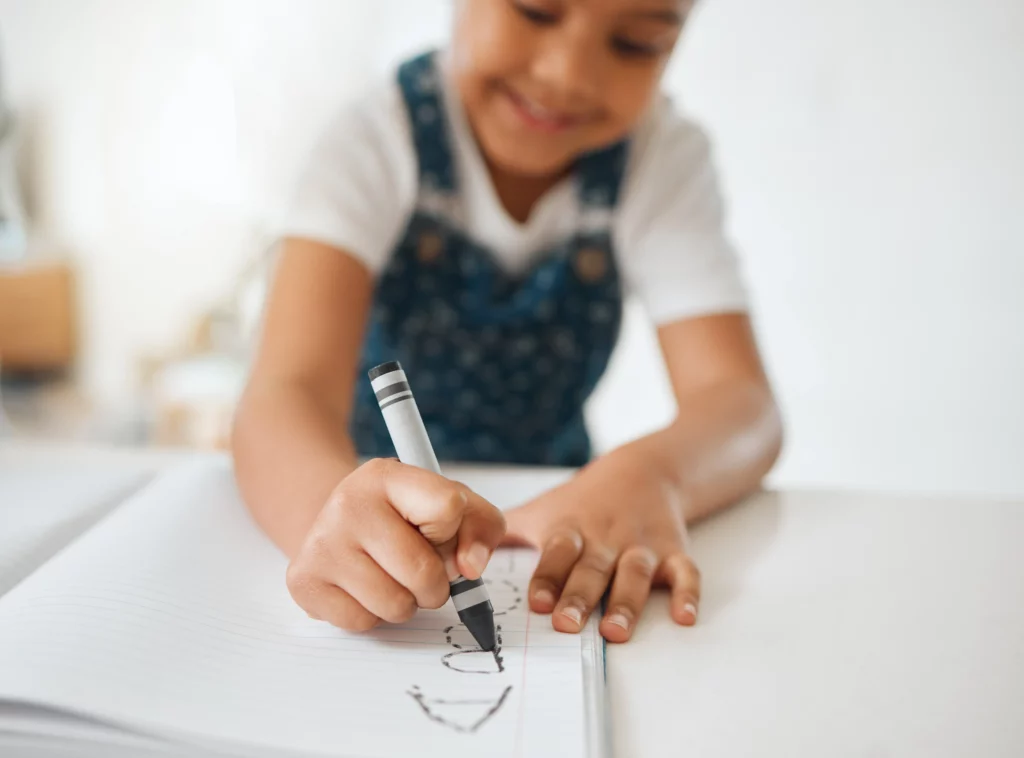
OT Tip Sheet: Draw these Shapes
Copy the shapes! The dots and arrows will help you get started.
July 18, 2025
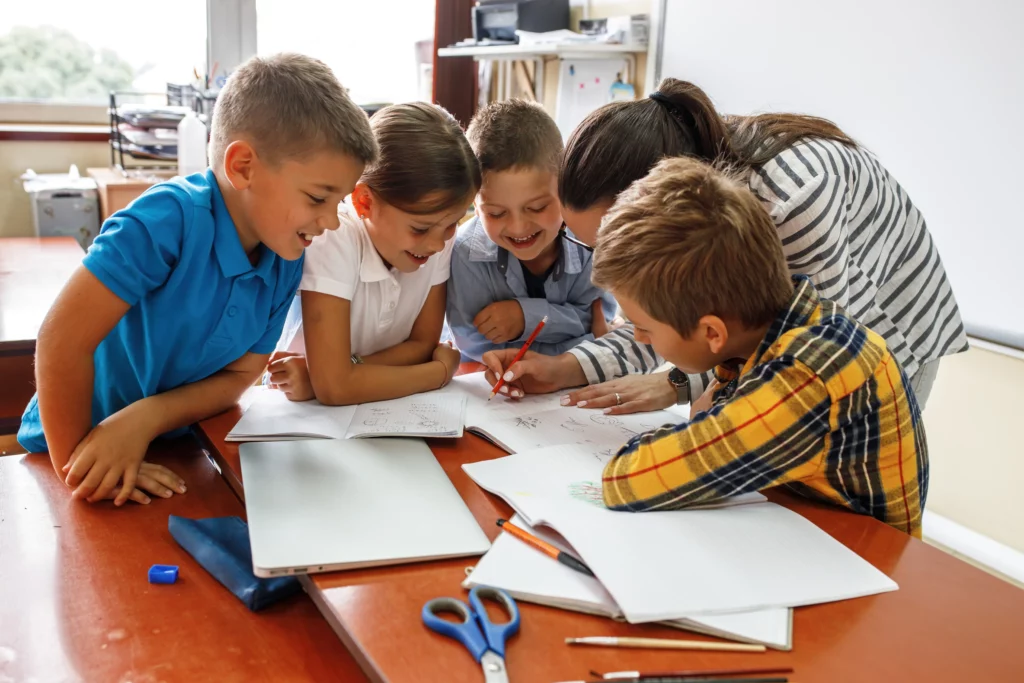
OT Tip Sheet: Draw these Lines
Copy the shapes and lines! The dots and arrows will help you get started.
July 18, 2025
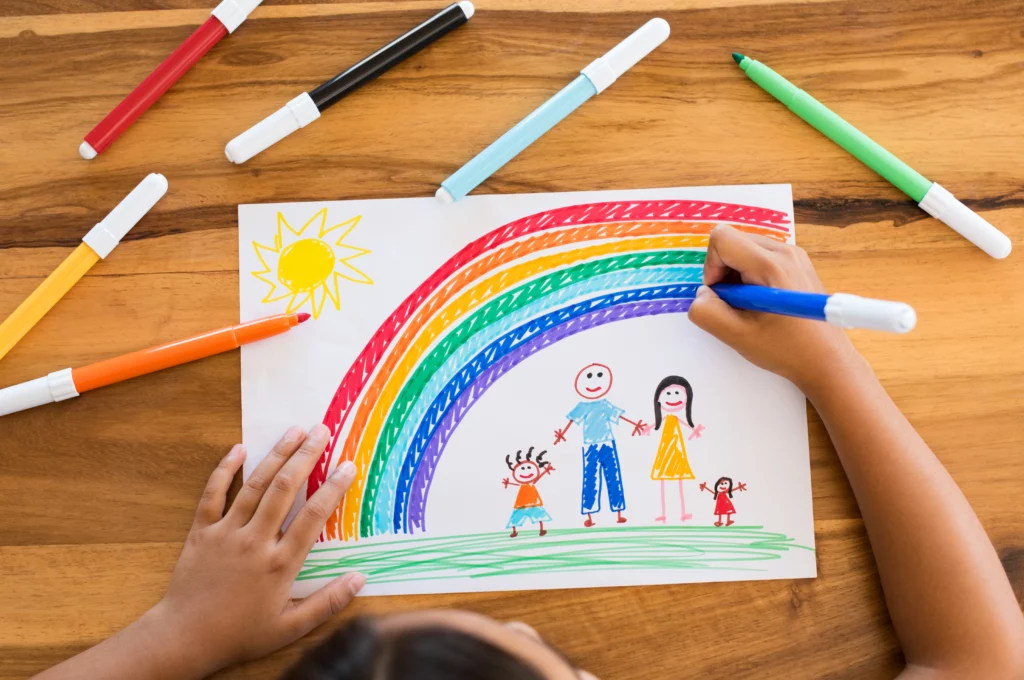
OT Tip Sheet: Colouring
Colouring builds finger control and spatial awareness, both essential for printing. Staying within lines helps children practice precision, coordination, and working within defined spaces.
July 18, 2025
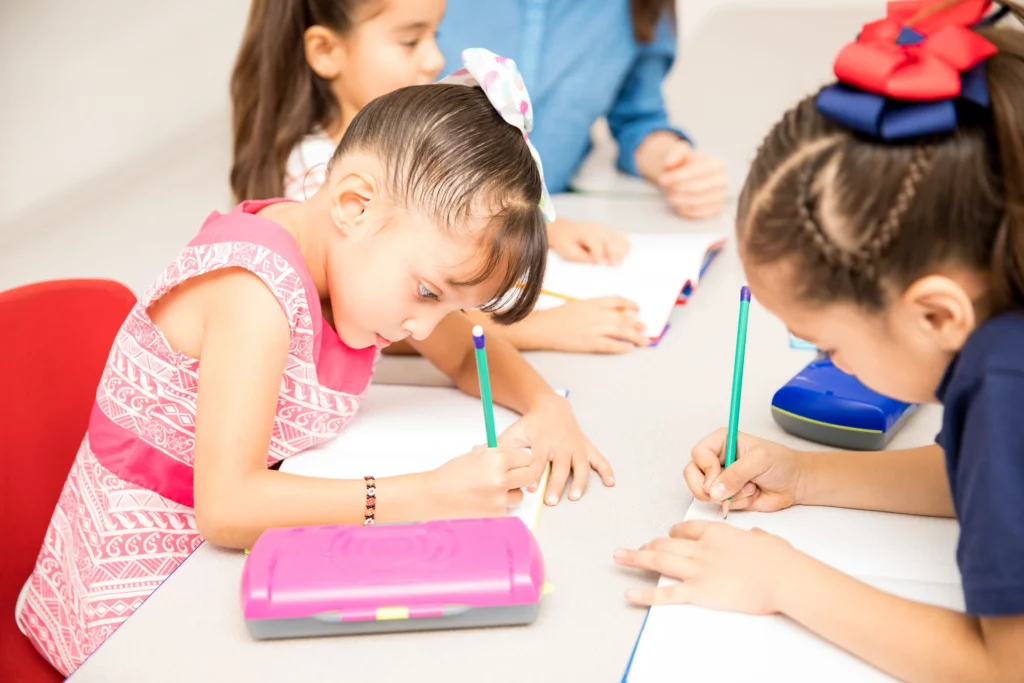
OT Tip Sheet: Light Pencil Pressure
Light pencil pressure means pressing too softly when writing, making work hard to see. Strengthening hands and improving grasp helps increase pressure for clearer, more confident writing.
July 18, 2025
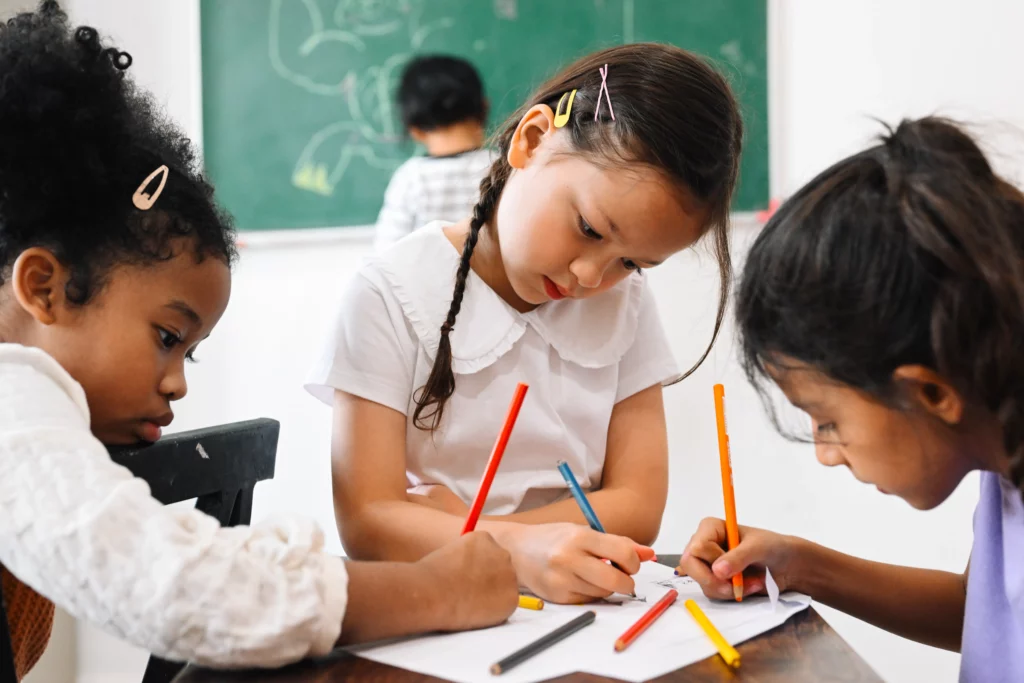
OT Tip Sheet: Heavy Pencil Pressure
Heavy pencil pressure is when a child presses too hard while writing, which can cause fatigue, dark marks, or broken tips. Practicing lighter control improves neatness, speed, and comfort.
July 18, 2025
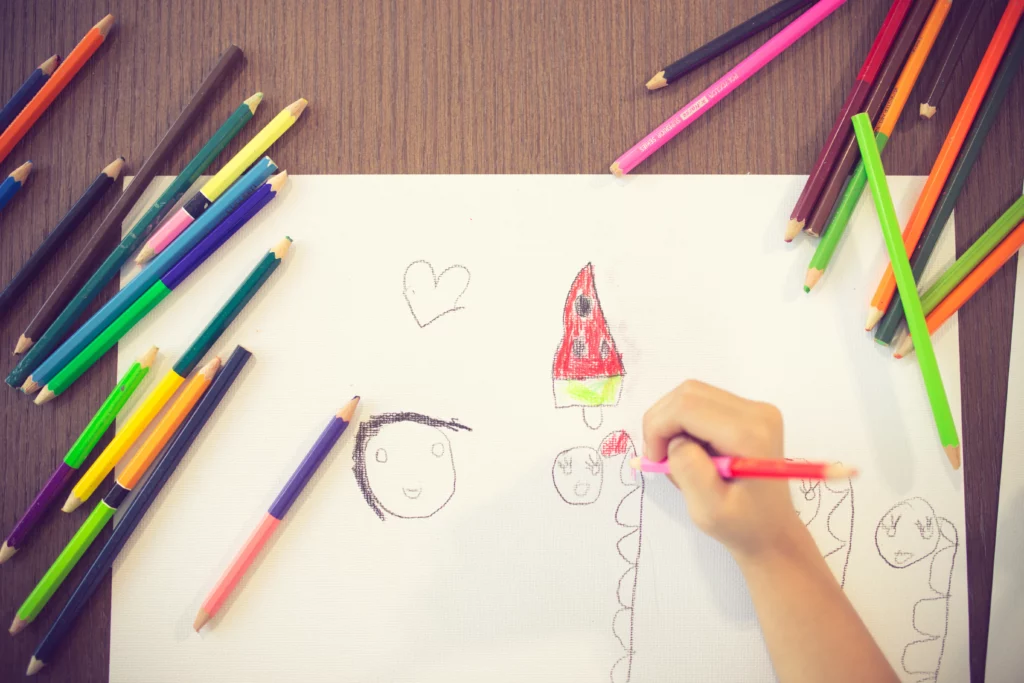
OT Tip Sheet: Alternative Pencil Grips
An alternative pencil grip uses simple household items to support proper finger placement and control. It helps children build strong motor patterns and improve writing skills.
July 18, 2025
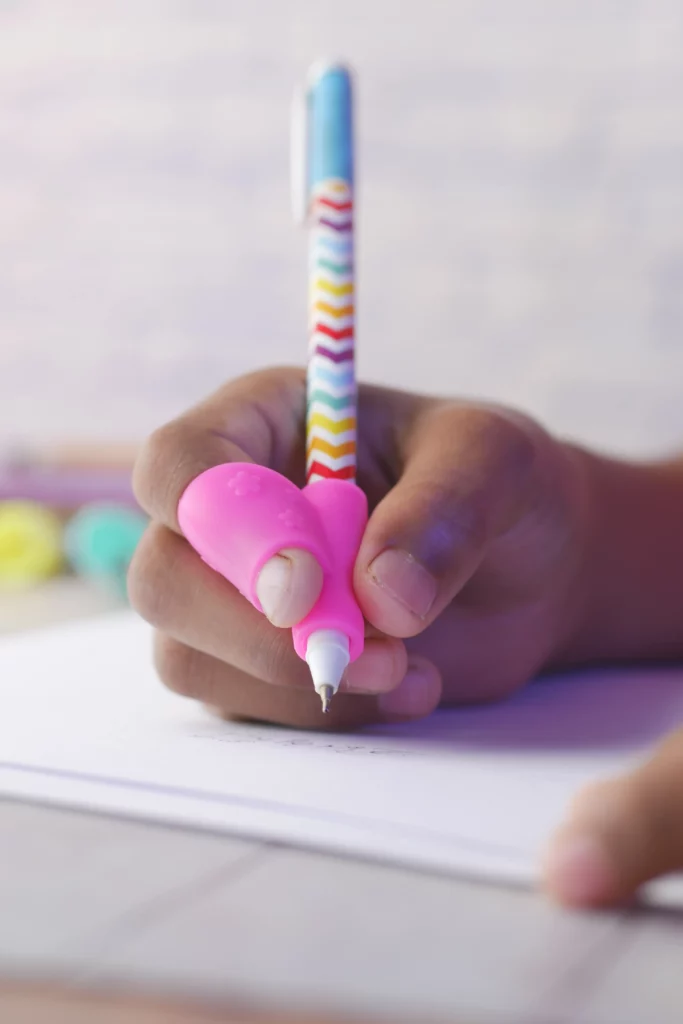
OT Tip Sheet: Pencil Grips
A pencil grip is a tool that supports proper finger placement and pencil control. It helps children develop better writing habits, finger coordination, and fine motor strength.
July 18, 2025
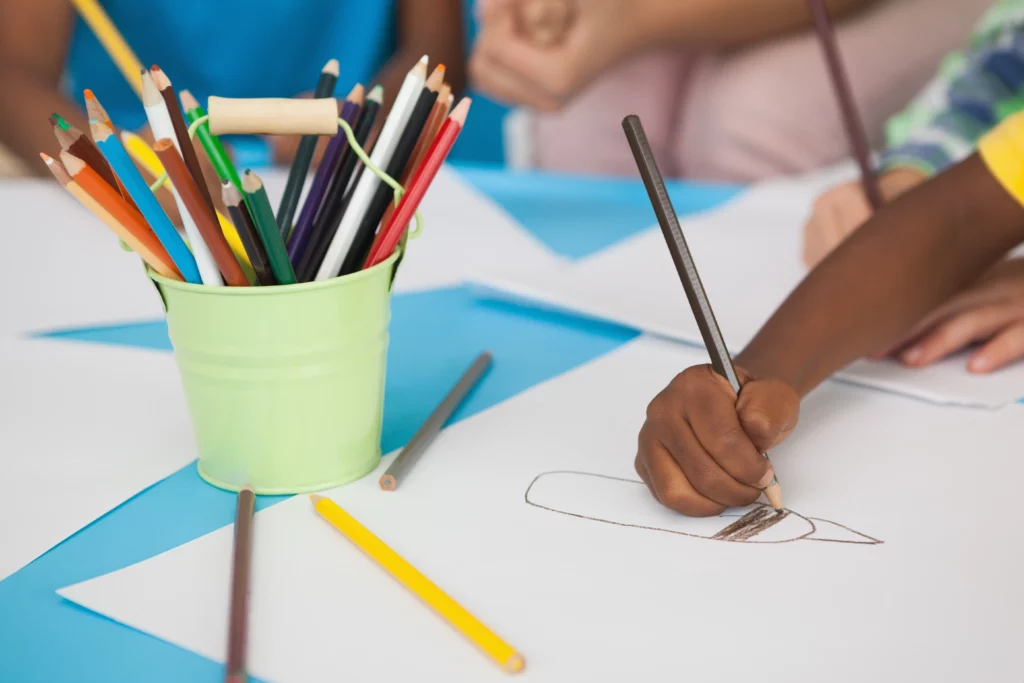
OT Tip Sheet: Printing Practice at Home
Practicing printing at home reinforces school learning, shows that writing is part of everyday life, and offers fun, varied opportunities to build confidence and consistency.
July 18, 2025
OT Tip Sheet: Printing Lines
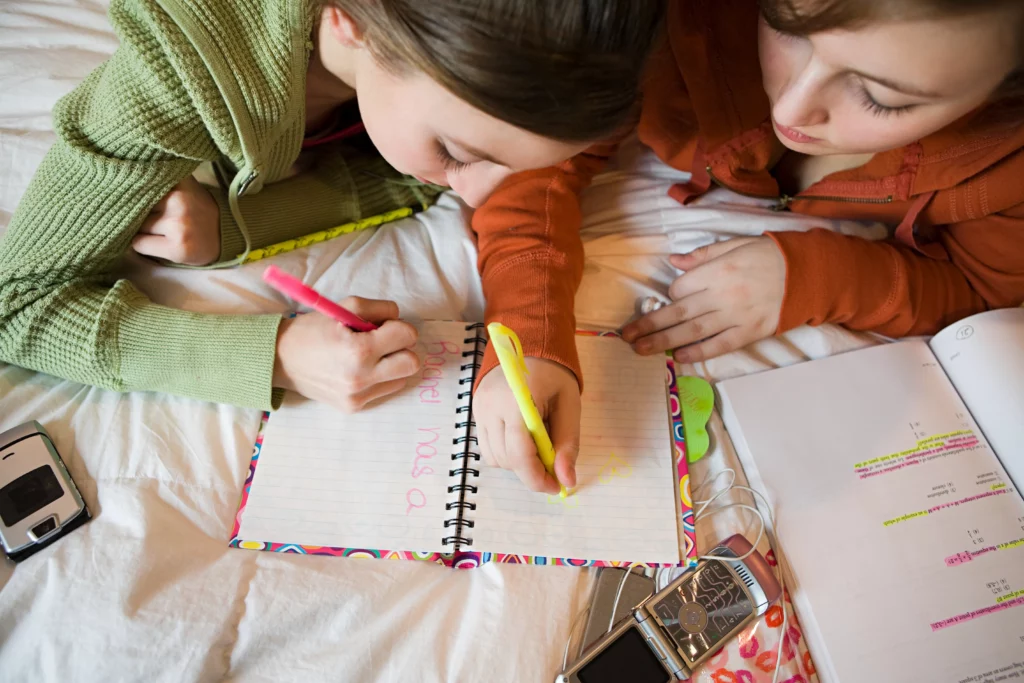
Printing lines are visual guides that help children place, size, and align letters correctly. They support neat, organized writing and are essential for early printing development.
July 18, 2025

OT Tip Sheet: Journal Strategies for Pre-Printers
Journal pre-printing strategies help non-printers engage meaningfully in journaling by matching tasks to their skill level, building confidence, motor habits, and early literacy through drawing, shapes, and letter exposure.
July 18, 2025