
Archives: Resources
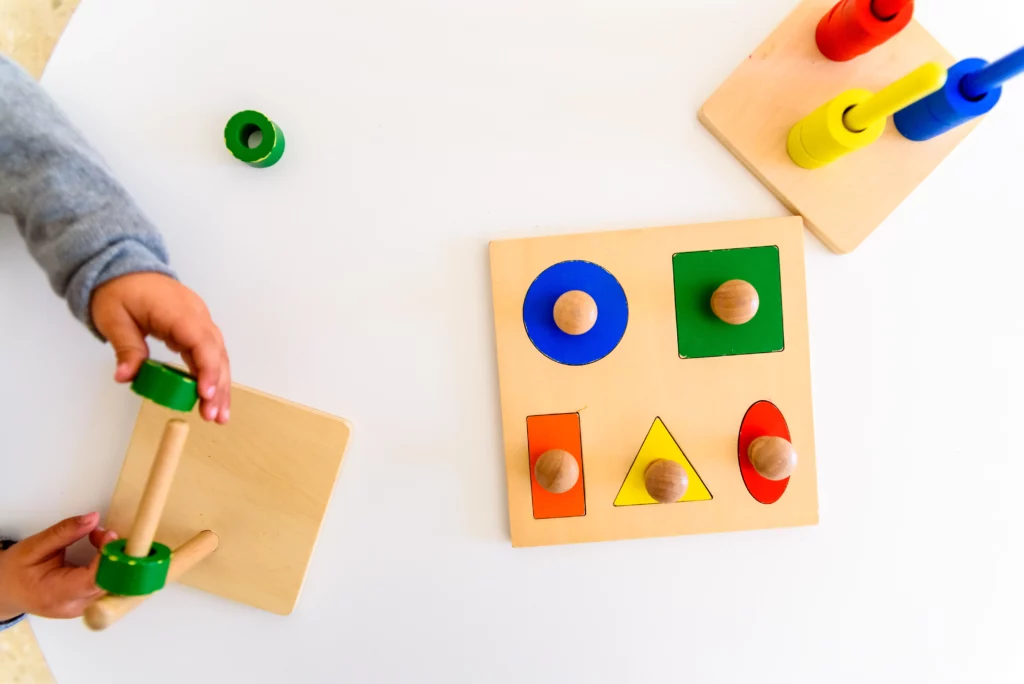
OT Tip Sheet: Visual Memory
Visual memory supports learning by helping children recall what they see. Strengthen it through games, drawing from memory, and activities that reinforce detail retention.
July 18, 2025

OT Tip Sheet: Drinking from an Open Cup
Introduce cup drinking by modeling each step, starting with spoon sips, progressing to small controlled cups, encouraging independence, and ensuring safe posture and slow pacing.
July 18, 2025
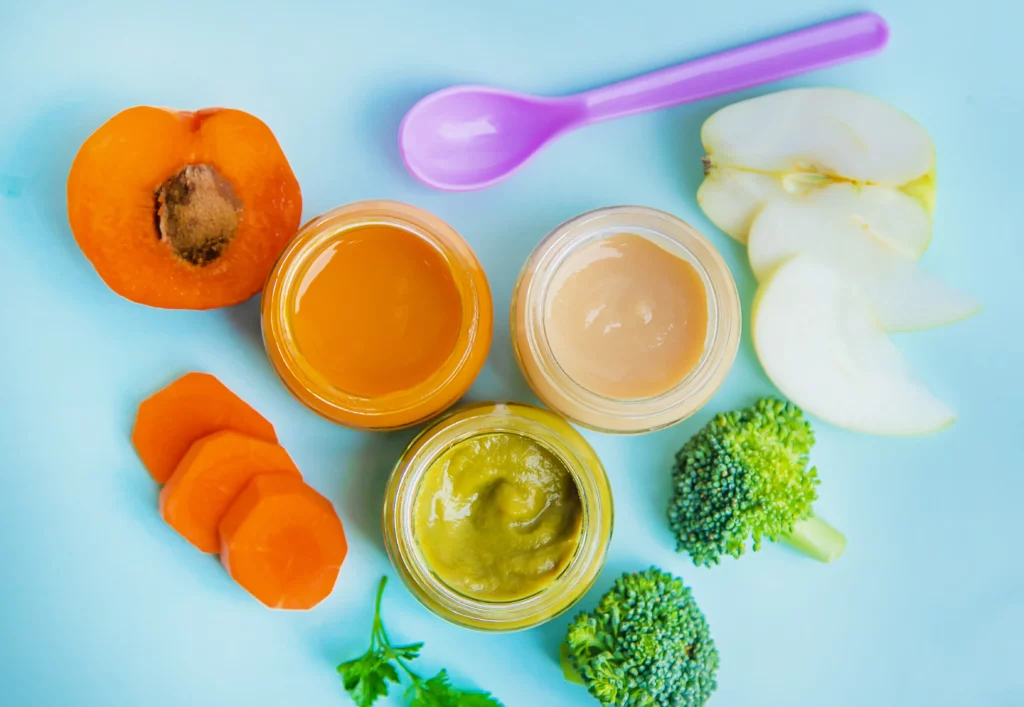
OT Tip Sheet: Feeding your Baby: Moving from purees to table…
Support texture progression from purees to soft solids by recognizing readiness signs, introducing safe textures gradually, encouraging exploration, and promoting self-feeding with supervision.
July 18, 2025
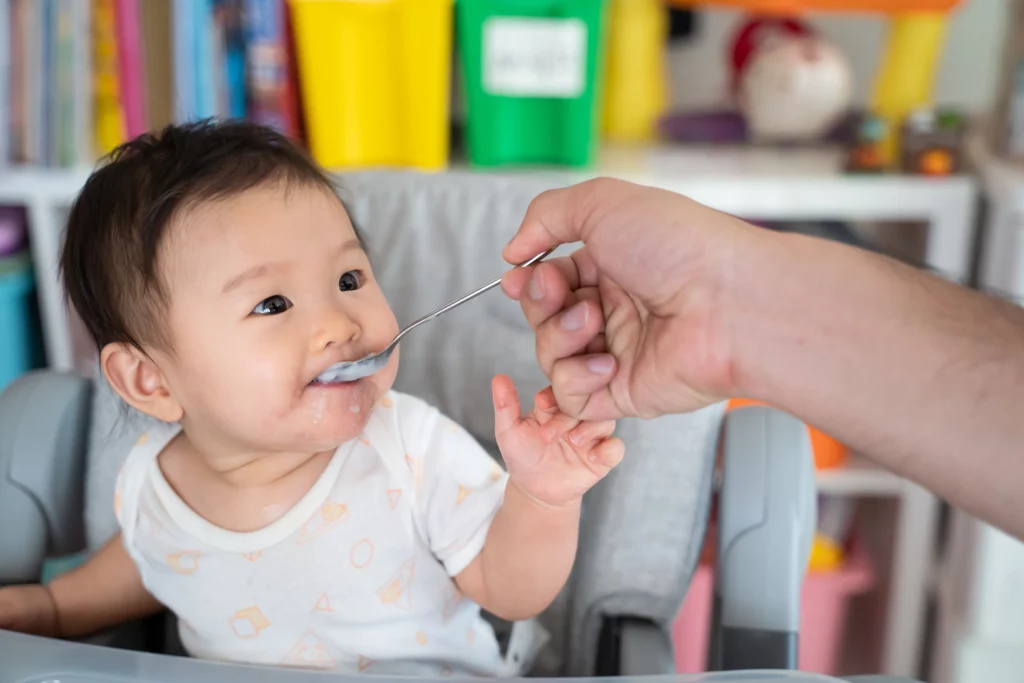
OT Tip Sheet: Feeding Tips for Babies 6-12 months
Support safe, enjoyable feeding with readiness-based textures, responsive mealtime routines, allergy awareness, and gradual food introduction while encouraging independence and monitoring for choking or gagging.
July 18, 2025
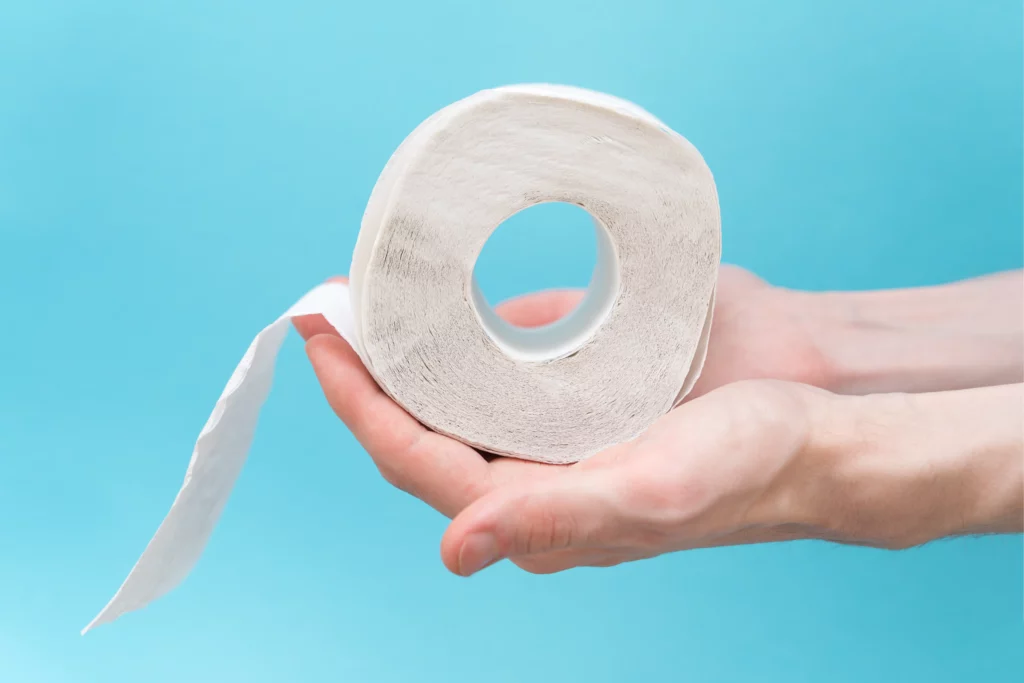
OT Tip Sheet: Wiping after Toileting
Wiping promotes hygiene and independence. Teach clear steps, offer guided practice, and support motor skills with adaptive tools, visual cues, and fun skill-building activities.
July 18, 2025
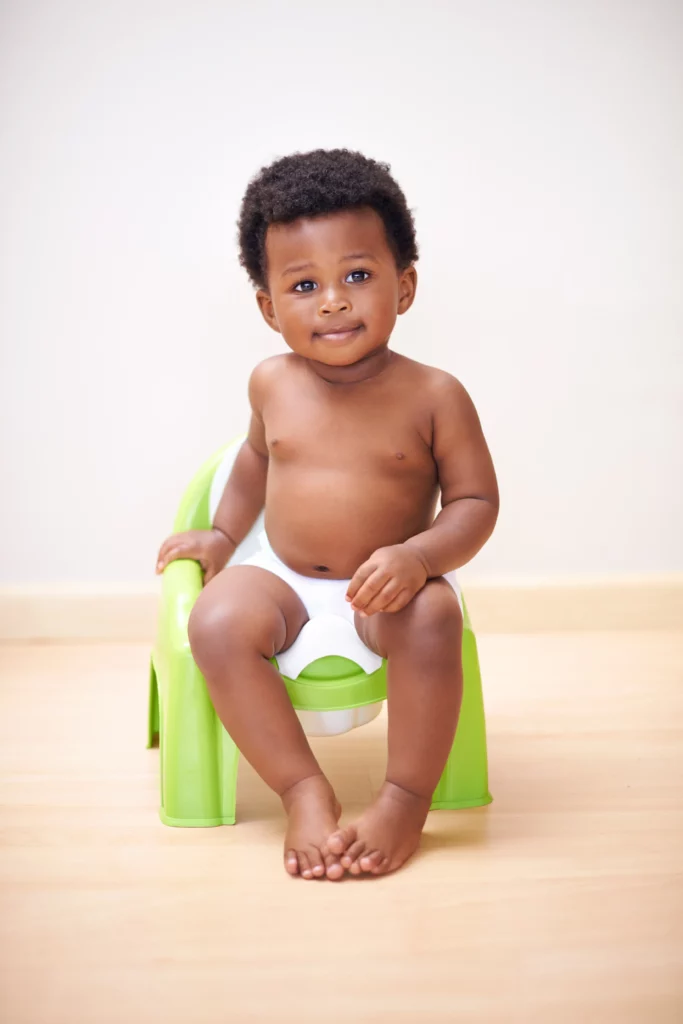
OT Tip Sheet: Toilet Training
Toilet training builds independence and body awareness. Support success with routines, readiness cues, calm guidance, rewards, and thoughtful modifications for comfort, consistency, and hygiene.
July 18, 2025

OT Tip Sheet: Shoelace Tying Skills
Tying shoelaces builds independence, coordination, and fine motor skills. Use two-handed play, backward chaining, and fun methods like the ‘bunny ear’ technique.
July 18, 2025
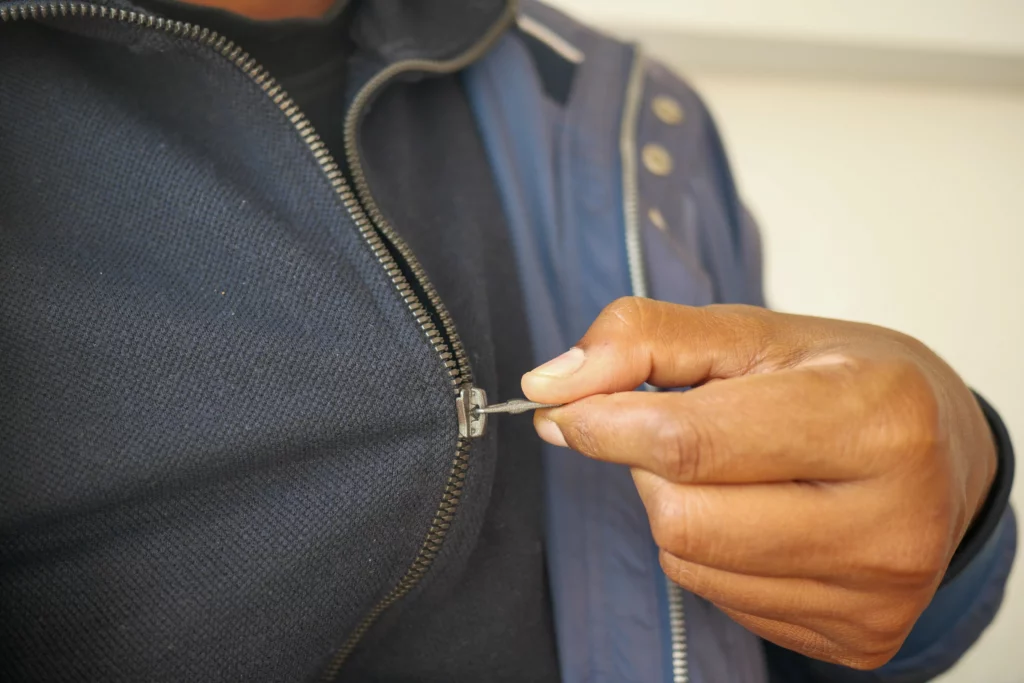
OT Tip Sheet: Zipper Skills
Zipper skills support dressing independence and develop fine motor control. Practice two-handed tasks, imitation, and backward chaining to build coordination, strength, and confidence.
July 18, 2025
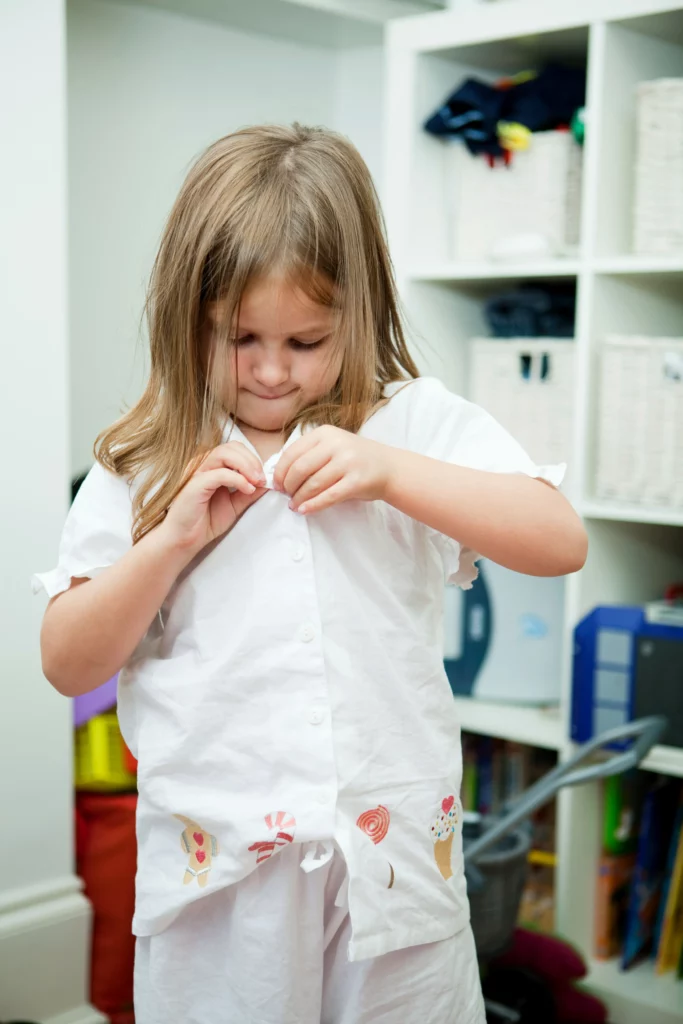
OT Tip Sheet: Button Skills
Button skills build dressing independence and fine motor strength. Practice with two-handed activities, large buttons, and backward chaining to support control, coordination, and confidence.
July 18, 2025

OT Tip Sheet: Setting Up a Grade 2 Classroom
Design a supportive Grade Two classroom with varied tools, visual cues, flexible seating, clear routines, and movement breaks to enhance independence, focus, and motor development.
July 18, 2025